Definition of Transfer Die
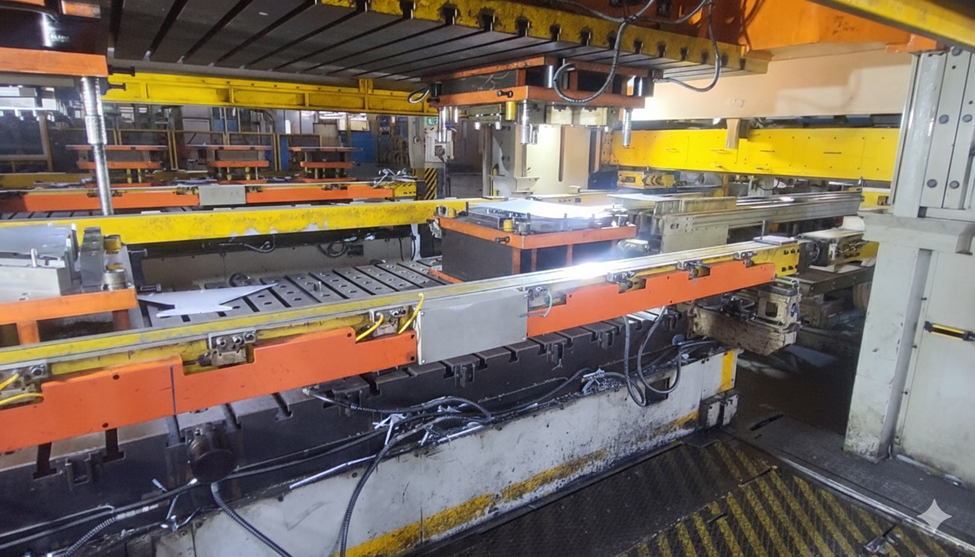
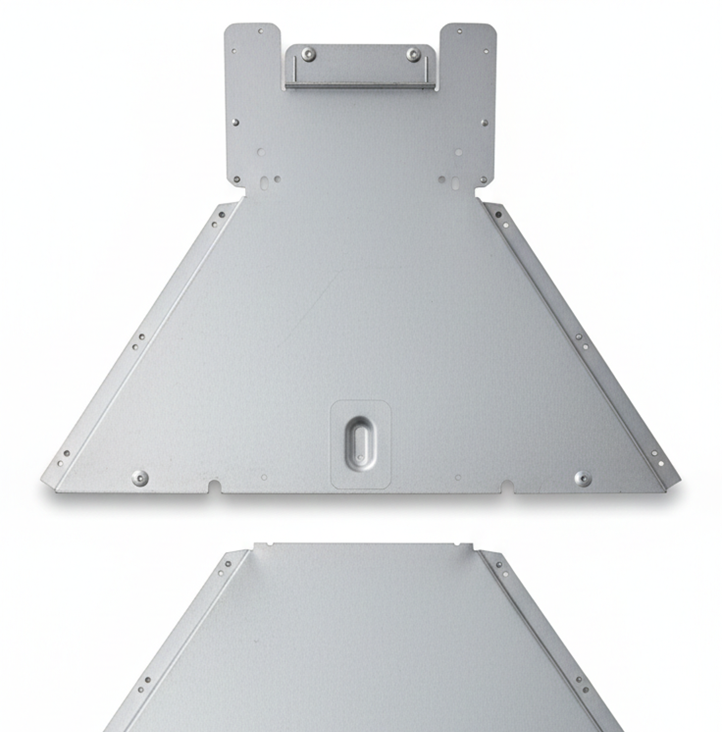
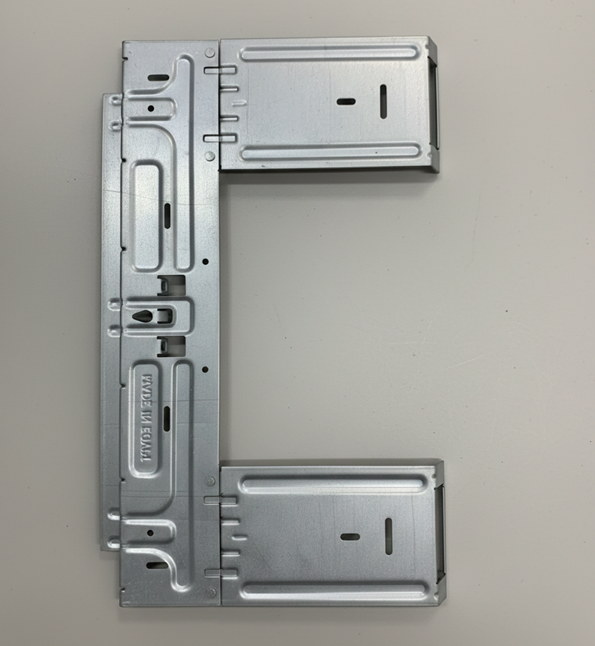
These dies are designed to manufacture complex components from flat sheets by shaping them through various stations.
Components are transferred from one die to another through a transfer system consisting of two aluminum bars connected to the press, which
move the parts using grippers, magnets or suction cups. Equipped with sensors to detect the presence of parts, the transfers are controlled by a programmable PLC that coordinates operations in synchrony with the press cycle.
Transfer Die Structure
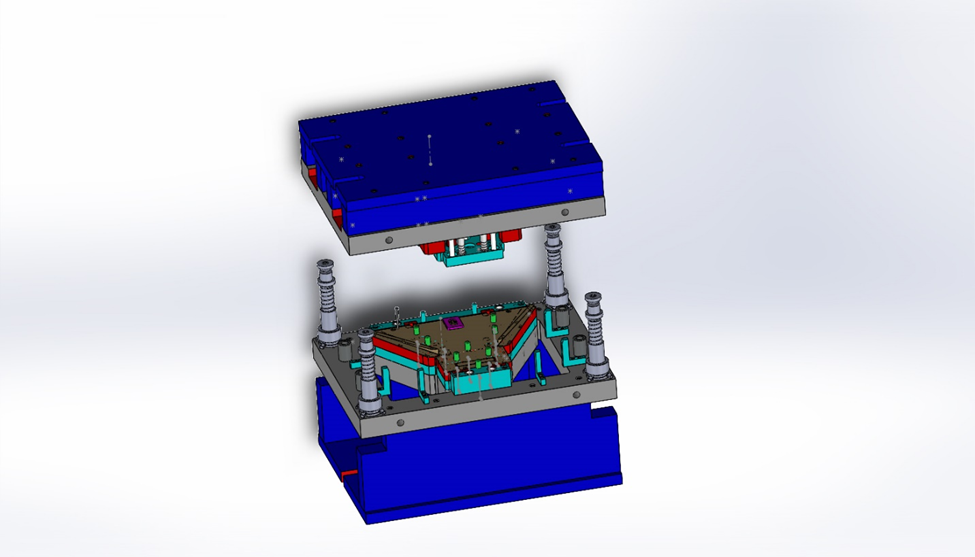
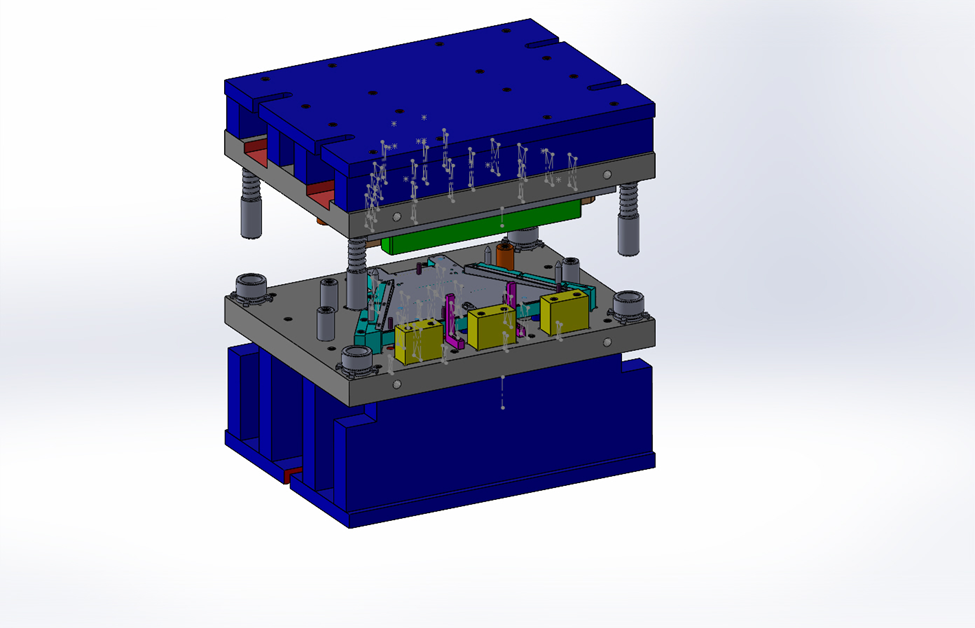
The transfer die immediately separates the unprocessed part from the conveyor belt and moves it through subsequent stages using manipulators or transfer bars. These devices, synchronized with the vertical movement of the press, allow the finished part to be released at the last stage. The transfer system, being an external accessory to the die, is generally purchased already assembled and customized for specific handling needs. Transfer dies are custom-built for specific plants and presses.
Advantages of Transfer Dies
CNC invests in advanced technologies to meet requirements for shorter time-to-market and high precision tooling.
Key benefits include
- Streamlined production cycle, with each station performing specific operations.
- Reduced additional manual work and costs.
- Low maintenance costs
Trusted By Industry Leaders
We enjoy long term mutually beneficial working relationships with some of the best companies in home appliances, automation and rolling mills.

.jpeg)
.jpeg)
.jpeg)
.jpeg)
.jpeg)
.jpeg)
.jpeg)
.jpeg)
.jpeg)
.jpeg)
.jpeg)
.jpeg)
.jpeg)
.jpeg)
.jpeg)
.jpeg)
.jpeg)
.jpeg)
.jpeg)
.jpeg)
.jpeg)
.jpeg)
.jpeg)
.jpeg)
.jpeg)
.jpeg)
Our Valued Partners
We are proud to work with leading companies across various industries
Contact Us
Ready to discuss your project? Contact us today for a free consultation and quote.
10 of Ramadan City
https://maps.app.goo.gl/ppgwyeZogYJpmh6y6
01002172668 - 01001451875
info@cnc-egypt.com
Sun - Thu: 8:00 AM - 5:00 PM